

Understanding Sciatica: Causes, Evidence‑Based Management and When to Seek Help
Sciatica is not a diagnosis but a descriptive term for pain radiating from the low back or buttock down the back of the leg. It arises when one of the nerve roots that contribute to the sciatic nerve becomes irritated or compressed. Herniated lumbar discs are the most common cause in younger adults, while spinal stenosis (narrowing of the spinal canal) is a frequent cause in older people. Other causes include spondylolisthesis, piriformis syndrome, pregnancy and quite frequently excessively tight muscles, which often amplify the effects of any of the above symptoms.
What Does Sciatica Feel Like?
Sciatica presents as radiating pain or tingling that travels along the course of the sciatic nerve, from the lower back into the buttock and leg. It may be accompanied by numbness or weakness in the affected leg. Symptoms often worsen when bending forward, twisting, coughing or sitting for long periods. If you experience loss of bowel or bladder control, severe or sudden weakness, or sciatica following a traumatic injury, seek medical attention promptly.
Conservative Management: Stay Active and Educated
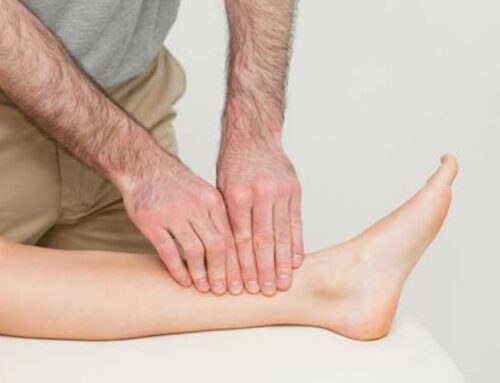
Most people with sciatica improve over time with conservative treatment, which includes patient education, exercise and manual therapy. High‑quality guidelines emphasise staying active, not bed rest. The UK NICE guideline advises providing patients with information about the nature of sciatica, reassurance and encouragement to continue normal activities. It recommends group exercise programmes tailored to individual needs and capabilities and discourages the use of corsets, belts or traction. Manual therapy (mobilisation, manipulation or soft‑tissue techniques) may be considered, alongside exercise in back pain treatment.
Physiopedia, a widely used educational resource, reinforces these points: it recommends education about sciatica, self‑management techniques (using heat or ice, avoiding prolonged sitting/standing, practising proper posture and lifting techniques), core strengthening and gentle stretching, and regular light exercise like walking or swimming. Manual therapies such as spinal mobilisation or massage should be used to compliment exercises such as core strengthening or a progressive strengthening program that can be run by a physiotherapist. Continuing to exercise is important as deconditioning often makes the symptoms worse, however care should be taken not to aggravate the symptoms.
Why See a Physiotherapist?
A physiotherapist can help you identify the underlying cause of your sciatica and develop a tailored rehabilitation plan. Early physiotherapy may offer a faster reduction in disability compared with “wait‑and‑see” care. In a 2020 trial of patients with acute back pain and sciatica, those referred for physical therapy within three days of seeing their primary‑care doctor experienced a clinically meaningful drop of 8.2 points on the Oswestry Disability Index at four weeks compared with the usual‑care group; the benefit diminished over time, but the study suggests early referral may speed recovery. Physiotherapists combine manual therapy, specific exercises, nerve‑gliding techniques and education to reduce pain and improve function.
If you are in Brisbane and need help with sciatica, our Wilston Physiotherapy team offers comprehensive assessment and evidence‑based treatment. We use manual therapy as part of a broader rehabilitation programme that includes strengthening, flexibility and postural retraining. Learn more about our services at https://wilstonphysiotherapy.com.au/physiotherapy/.
Where Does Acupuncture Fit In?
Acupuncture needles stimulate the nervous system, triggering the release of hormones and endorphins that can reduce pain and fatigue. Acupuncture has been shown to provide pain relief for up to a year for certain chronic conditions and is considered a safe, drug‑free alternative. In our clinic, acupuncture may be offered as a complementary therapy for sciatica, particularly when standard conservative care has not provided sufficient relief.
Many patients report significant pain reduction and improved well‑being from acupuncture, and research continues to explore its mechanisms. If you are interested in trying acupuncture alongside physiotherapy, talk to your practitioner or visit our acupuncture page at https://wilstonphysiotherapy.com.au/acupuncture/.
When Is Surgery Needed?
Surgery is rarely required for sciatica and is generally reserved for those with serious disc bulges causing caude equina or very intense unresolving pain that hasn’t responded to a significant period of conversative management.
Self‑Management Tips
While awaiting treatment or between sessions, these strategies may help:
-
Stay active: Gentle walking, swimming or cycling maintains mobility and helps reduce pain. Avoid prolonged sitting or bed rest.
-
Use heat or cold: Ice and heat can be used to settle pain and reduce muscles spasms.
-
Posture and ergonomics: Sit with poper ergonomics, or replace a faulty chair. Ensure you keep moving during the day as sitting still for extended periods can may lower back pains worse.
-
Core and flexibility exercises: Engage your abdominal muscles, perform gentle hamstring and lumbar stretches, and practice nerve‑gliding exercises as prescribed by your physiotherapist.
-
Manage risk factors: Maintaining a healthy weight, not smoking and engaging in regular physical activity reduce the risk of persistent sciatica.
Final Thoughts
Sciatica can be painful and disruptive, but most people recover with a combination of education, movement and targeted rehabilitation. Evidence‑based guidelines emphasise staying active, engaging in exercise programmes and using manual therapy as part of a package. Early physiotherapy may provide faster relief, and adjunctive treatments such as acupuncture offer drug‑free pain management. If you are experiencing radiating leg pain, book an appointment with Wilston Physiotherapy & Massage to explore a tailored plan. We can assess your condition, provide hands‑on therapy and guidance, and discuss whether acupuncture could complement your recovery.



Leave A Comment